

Support Worker
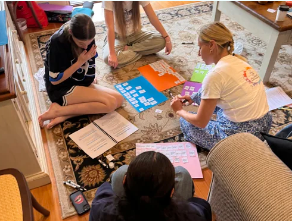
Support workers assist with community participation, completing daily activities, and ongoing skill development to ensure meaningful engagement in all aspects of daily life. They provide both practical and emotional support tailored to individual needs, promoting independence and well-being. Support workers play a vital role in helping individuals build confidence, independence, and social connections while ensuring they receive the assistance needed to navigate everyday life successfully.
Key Supports Provided:
Community Participation: Supporting individuals in engaging with social, recreational, and community activities to reduce isolation, build confidence, and foster meaningful relationships.
Daily Living Assistance: Helping with routine activities such as meal preparation, personal care, household tasks, and transport to ensure a structured and supported daily routine.
Skill Development: Encouraging independence through the development of life skills, including cooking, budgeting, time management, and self-care.
Emotional and Behavioral Support: Assisting in emotional regulation, distress management, and encouraging coping strategies to navigate social and personal challenges effectively. Monitoring emotional well-being, recognizing early signs of distress.
Executive Functioning Support: Helping with organization, planning, and task completion to improve overall participation and productivity.
Sensory Regulation Assistance: Supporting individuals with sensory needs by creating a comfortable environment and implementing strategies to enhance focus and relaxation.
Encouraging Independence: Promoting autonomy by empowering individuals to make choices and take control of their daily lives within a supportive framework.
Recreational and Leisure Activities: Facilitating participation in hobbies and interests to enhance well-being, creativity, and social skills.