Our Services
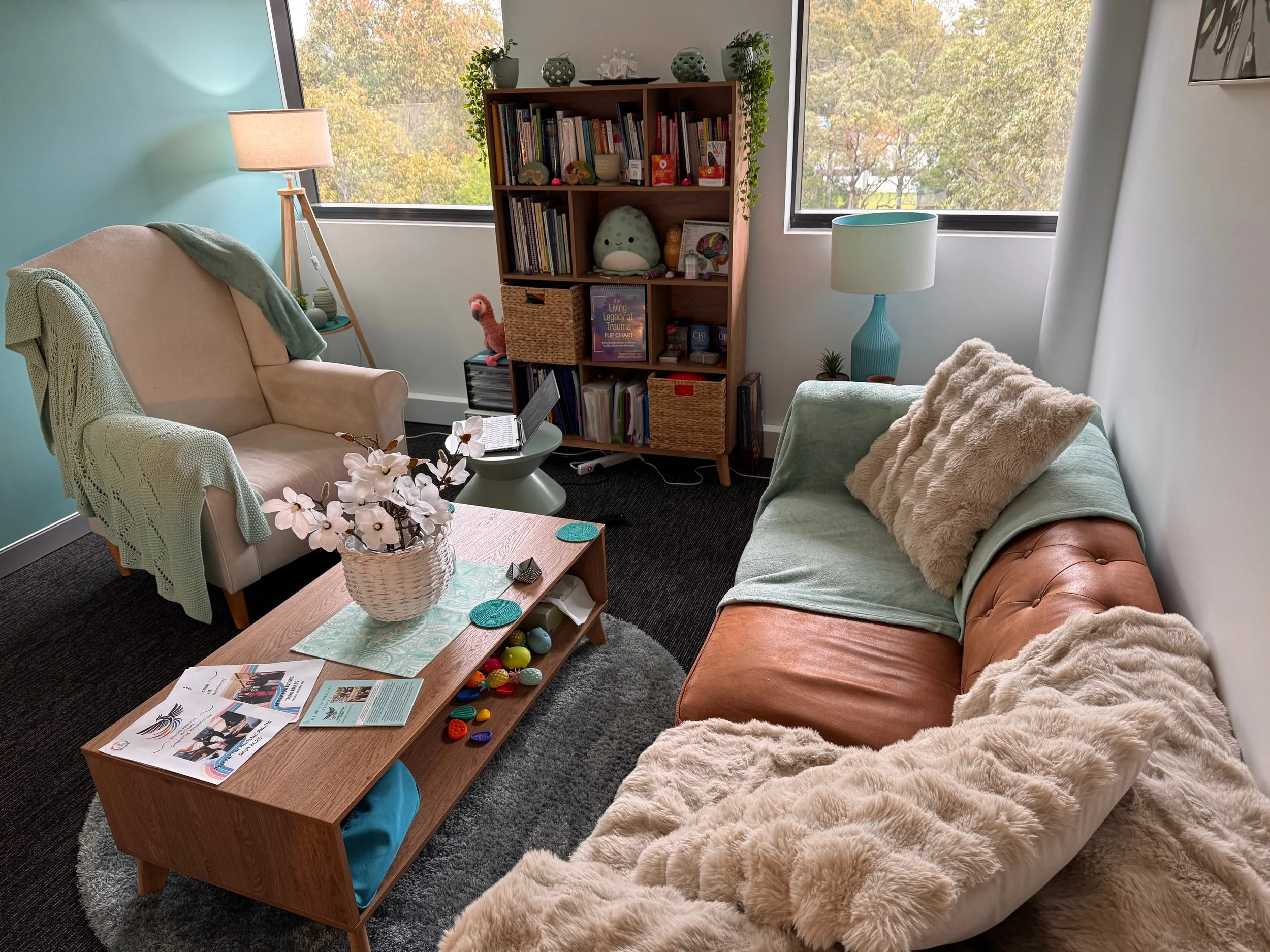
Individualized Psychology Support
Neuro-affirming psychological support for ASD, ADHD, Tourette Syndrome, Learning Disorders, Intellectual Disability.
Therapy for emotional regulation, anxiety, and depression
Therapy for Bipolar Disorder, Eating Disorders, Psychosis, OCD, Trauma, BPD, and schizophrenia spectrum.
Coaching for executive functioning
Social and communication skills development
Identity and interpersonal skills development
Supports under the NDIS, Medicare and Private or Health Insurance
Parent and Caregiver Support
Psychoeducation and coaching for parents of neurodiverse children.
Group therapy for caregivers to share experiences and strategies.
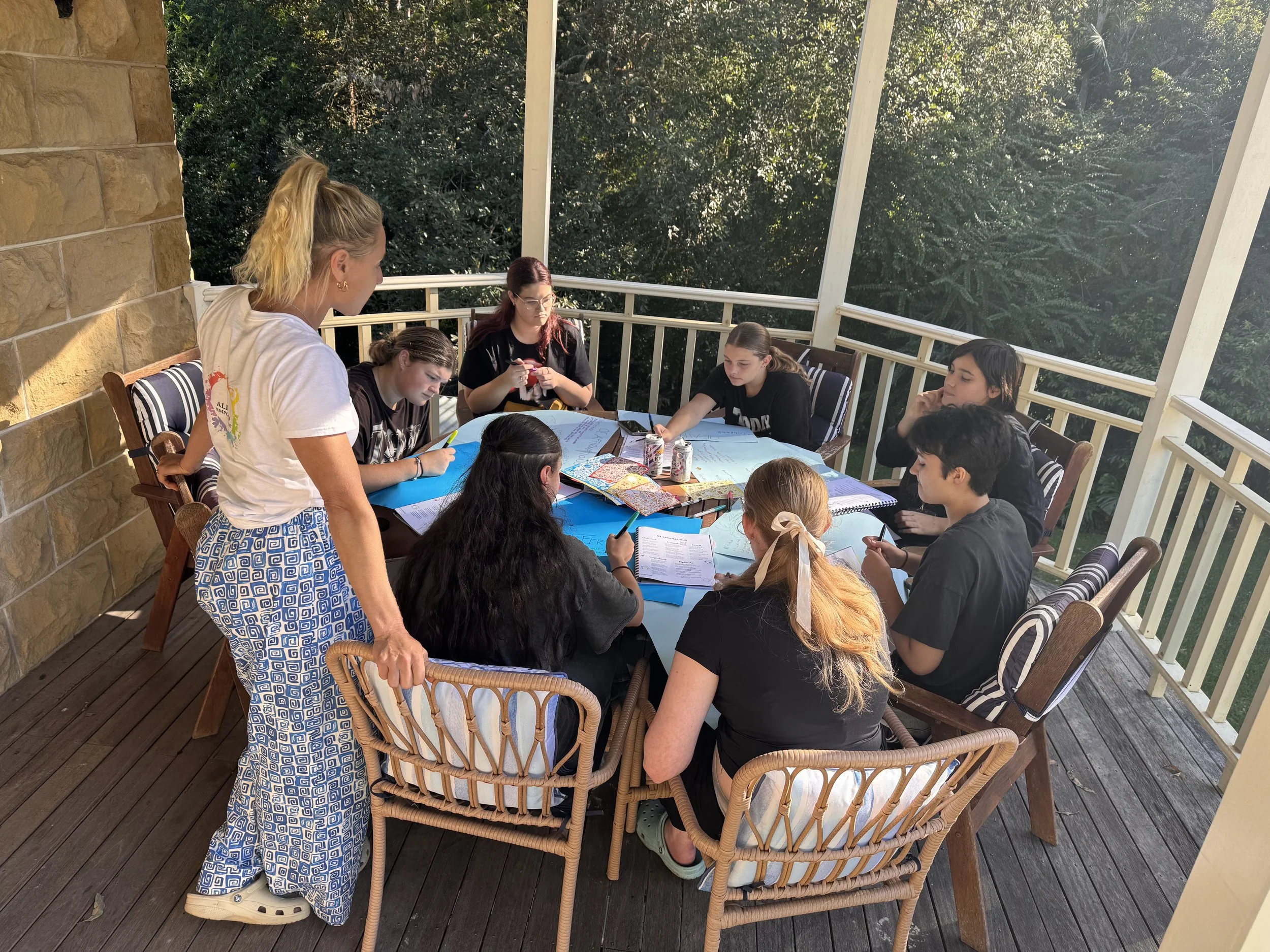
Therapy Assistant
Therapy assistants provide a person-centered approach to support, ensuring individuals receive tailored guidance to build confidence, independence, and overall well-being. Engagement with a therapy assistant ensures continuity of care and integrates capacity-building interventions into daily life. This enhances skill retention from therapy while providing opportunities to practice in a natural environment with structured support
Key Supports Provided:
Assisting in the development of independent and daily living skills to improve self-care and overall autonomy.
Supporting engagement in social and community activities to reduce isolation and foster meaningful connections.
Helping with the development and implementation of executive functioning strategies for improved organization, planning, and daily participation.
Providing emotional regulation support, including strategies to manage distress, frustration, and anxiety.
Implementing crisis safety plans to ensure appropriate intervention during periods of heightened emotional distress.
Assisting with liaising between schools, educators, and therapists to support learning, classroom engagement, and access to appropriate accommodations.
Supporting sensory regulation strategies to help with comfort and focus in various environments.
Encouraging the development of communication and social interaction skills through structured and unstructured activities.
Helping to create and maintain routines to provide predictability and stability in daily life.
Supporting participation in recreational and leisure activities to promote enjoyment, relaxation, and skill-building.

Comprehensive Assessments
Autism Spectrum Disorder (ASD)
Attention Deficit Hyperactivity Disorder (ADHD)
Specific Learning Disorders (e.g., Dyslexia, Dysgraphia, Dyscalculia)
Educational Assessments
Mood Disorders (Bipolar Disorder)
PTSD
Tourette Syndrome
Other Neurodevelopmental Conditions
Emotional and Behavioural Evaluations
IQ assessments
At ALL MIND EMPOWERMENT we use a range of psychometric instruments such as;
WISC-V: measures intellectual cognitive ability/intelligence for children aged 6 to 16 years
WAIS-IV: measures adult cognitive ability, 16 years to 90.
WIAT-III: educational assessment
ADOS: Autism Diagnostic Observation Schedule
ASD Diagnostic Interview
MIGDAS for ASD assessments
DIVA-5 for ADHD assessments
Conners-4
Functional Capacity Assessments (e.g., ABAS, WHODAS, VINELAND)
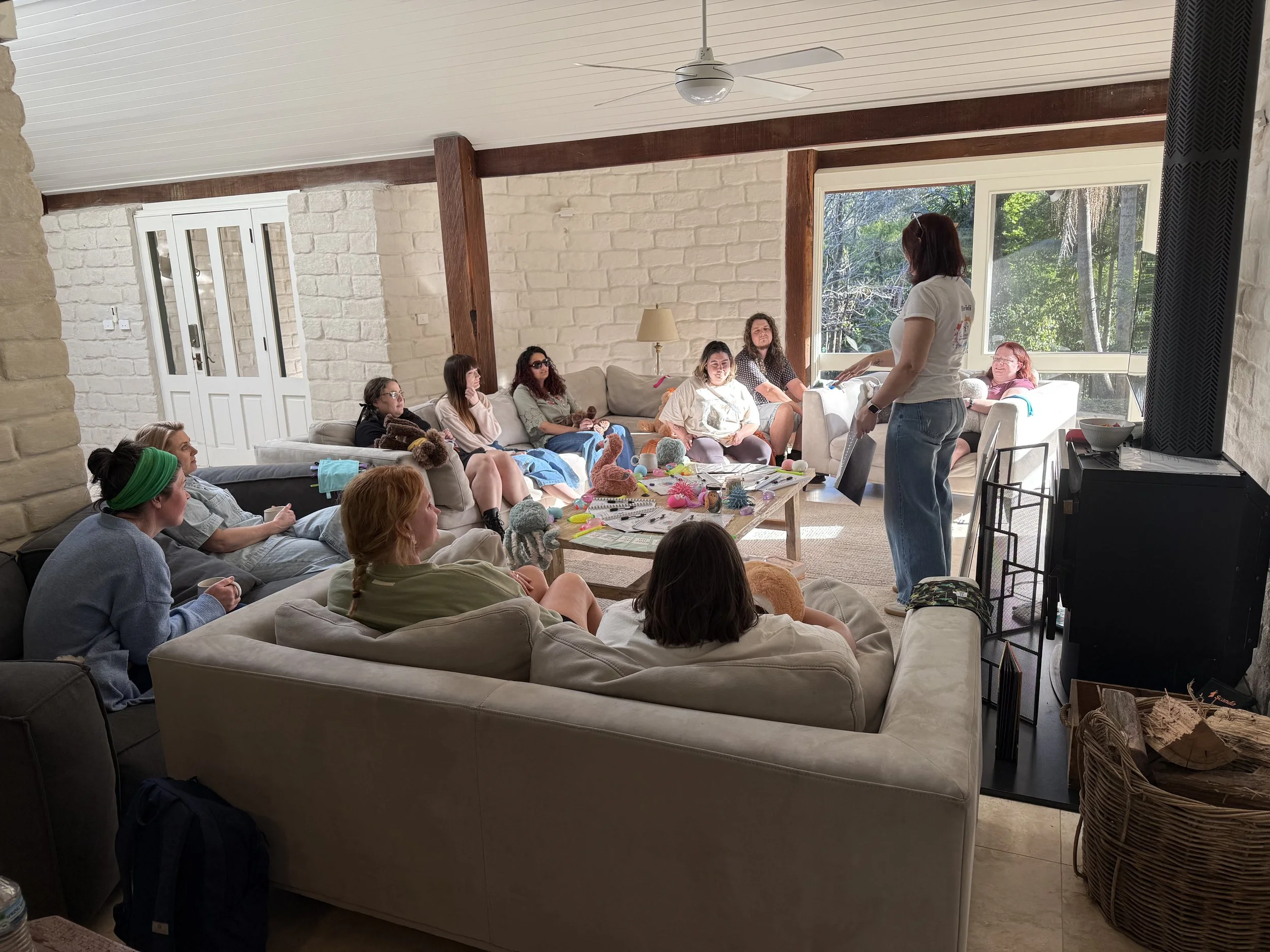
Group Therapy and Workshops
Workshops on managing burnout, navigating relationships, and self-advocacy.
Workshops for executive function strategies
Psychoeducation on what it means to be neurodiverse
Emotional regulation workshops
Group therapy for individuals across the lifespan
Skill Development Programs
Social skills training.
Life skills programs for transitioning to adulthood or independence
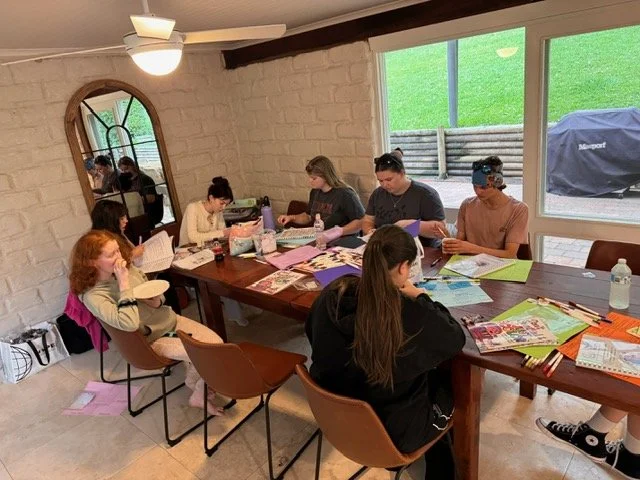
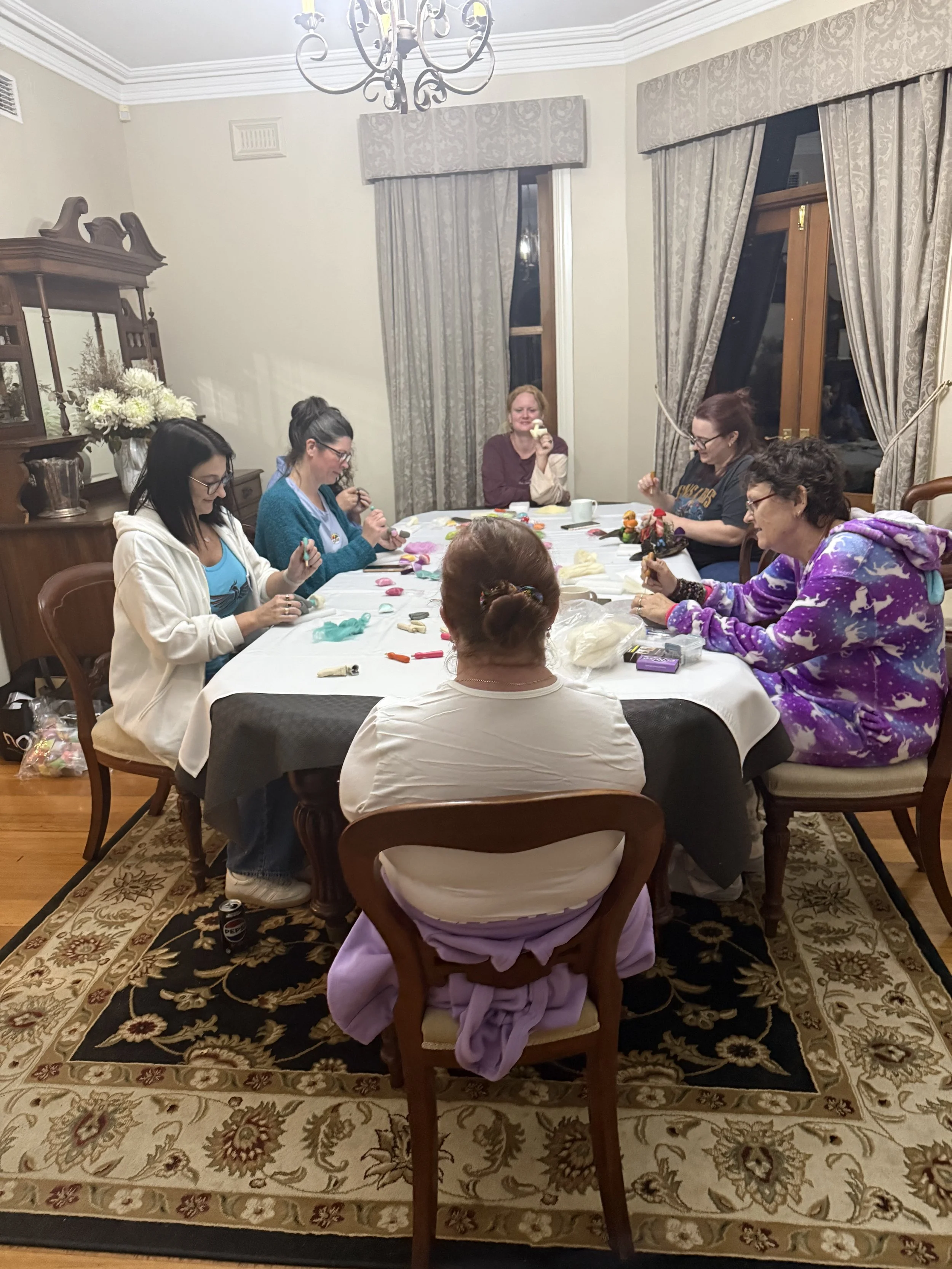
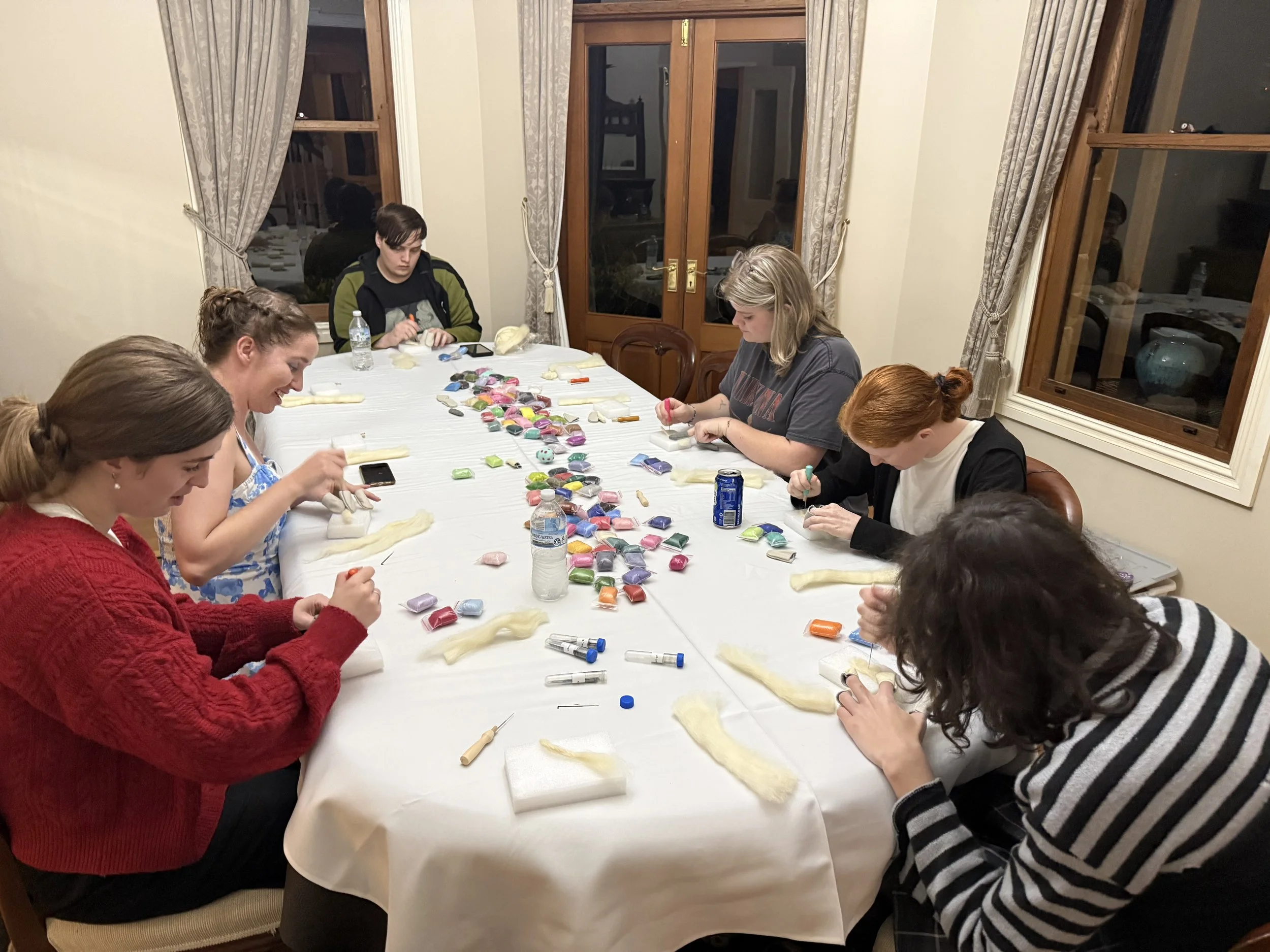
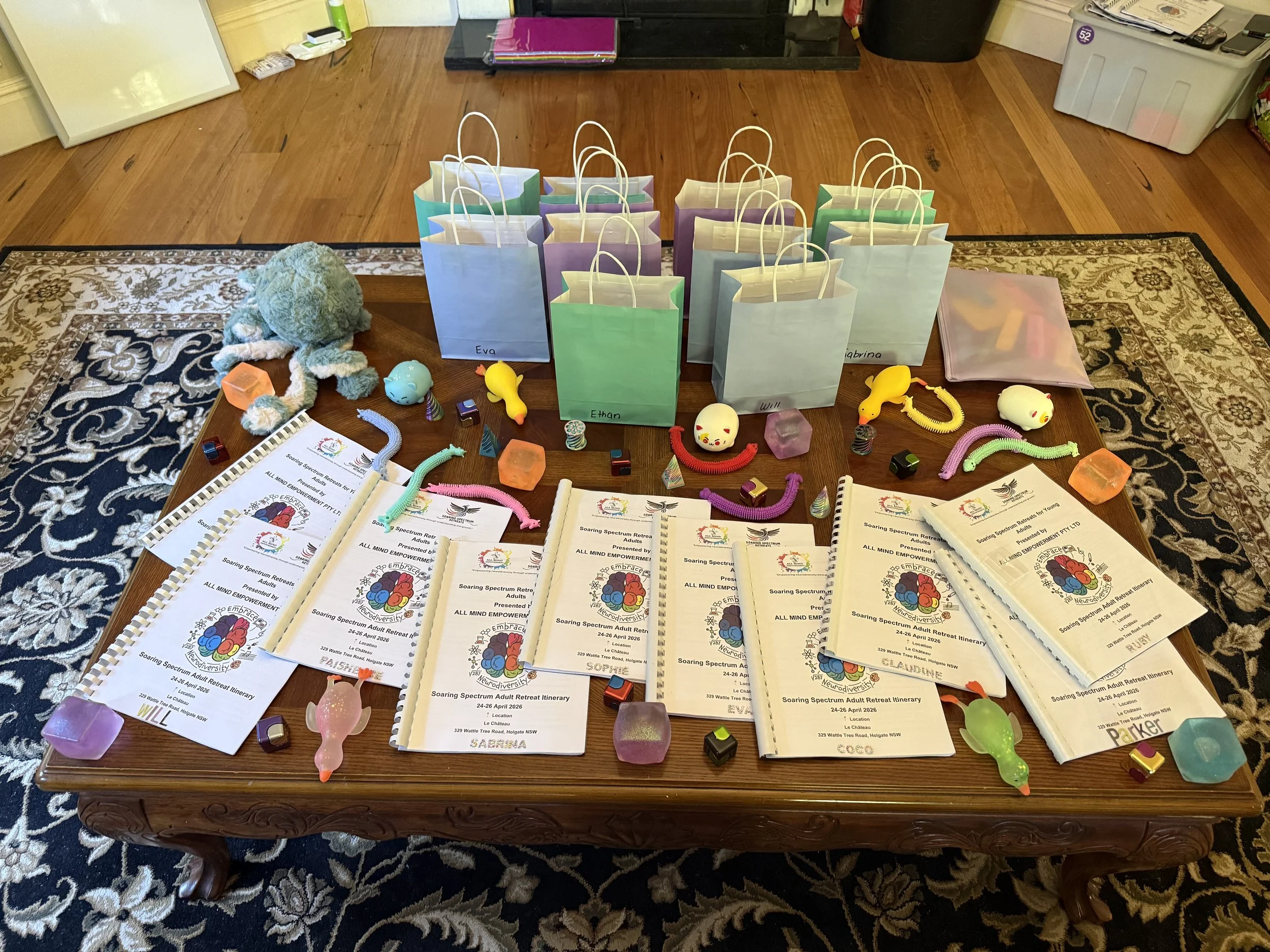
Autism Retreats
Soaring Spectrum Retreats empower neurodivergent individuals by fostering personal growth, social skills, and emotional well-being in a supportive and inclusive environment. Participants develop essential communication skills, learn to navigate social interactions, and build confidence in diverse settings. The retreat also focuses on emotional regulation and adaptive coping strategies to help manage daily challenges.
At its core, Soaring Spectrum Retreats provide a space for connection, validation, and self-acceptance, celebrating neurodiversity while equipping individuals with skills to enhance their quality of life.

Support Worker
Support workers assist with community participation, completing daily activities, and ongoing skill development to ensure meaningful engagement in all aspects of daily life. They provide both practical and emotional support tailored to individual needs, promoting independence and well-being. Support workers play a vital role in helping individuals build confidence, independence, and social connections while ensuring they receive the assistance needed to navigate everyday life successfully.
Key Supports Provided:
Community Participation: Supporting individuals in engaging with social, recreational, and community activities to reduce isolation, build confidence, and foster meaningful relationships.
Daily Living Assistance: Helping with routine activities such as meal preparation, personal care, household tasks, and transport to ensure a structured and supported daily routine.
Skill Development: Encouraging independence through the development of life skills, including cooking, budgeting, time management, and self-care.
Emotional and Behavioral Support: Assisting in emotional regulation, distress management, and encouraging coping strategies to navigate social and personal challenges effectively. Monitoring emotional well-being, recognizing early signs of distress.
Executive Functioning Support: Helping with organization, planning, and task completion to improve overall participation and productivity.
Sensory Regulation Assistance: Supporting individuals with sensory needs by creating a comfortable environment and implementing strategies to enhance focus and relaxation.
Encouraging Independence: Promoting autonomy by empowering individuals to make choices and take control of their daily lives within a supportive framework.
Recreational and Leisure Activities: Facilitating participation in hobbies and interests to enhance well-being, creativity, and social skills.